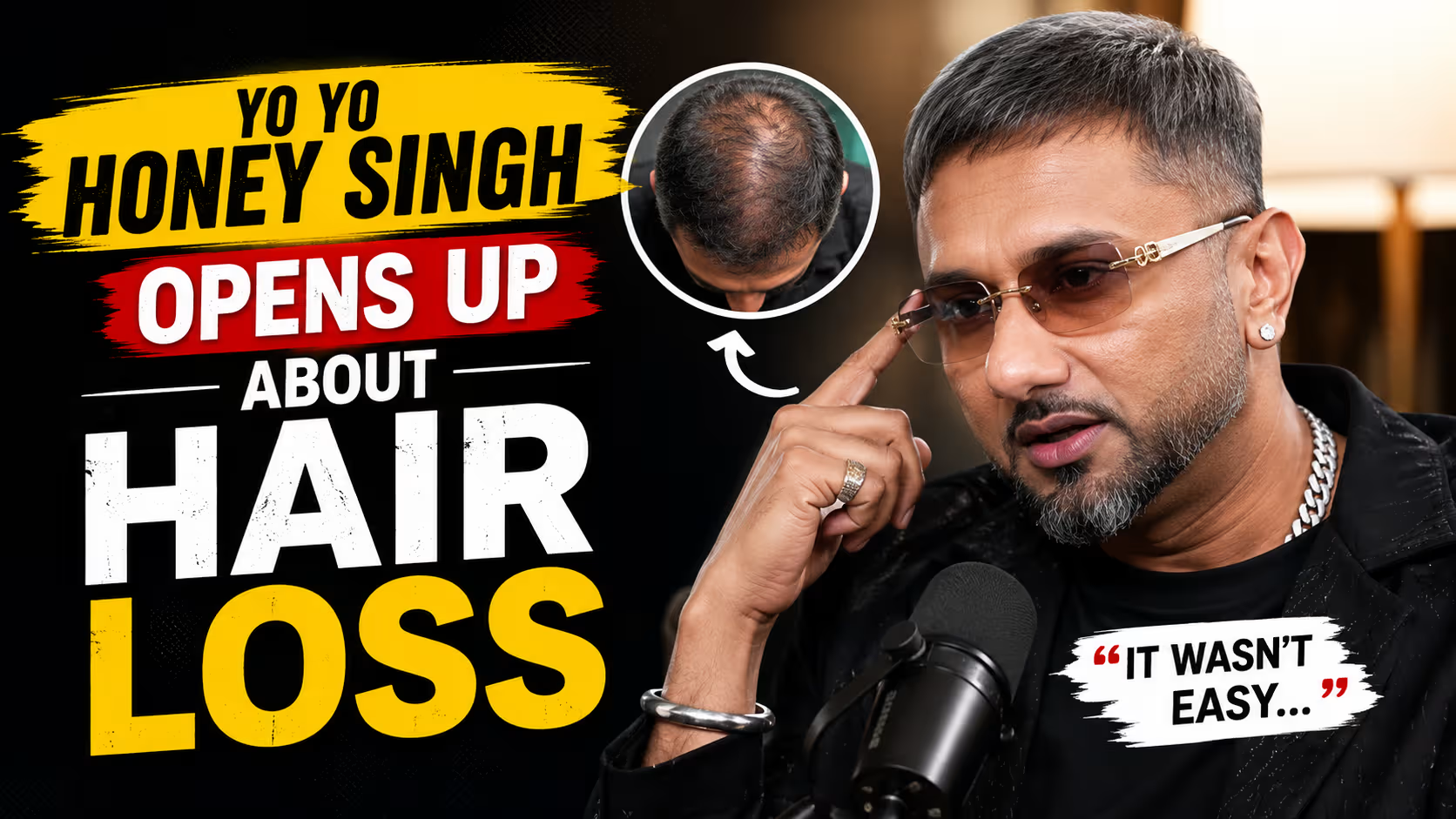
For many years, a lot of fans copied the cool hairstyles of Yo Yo Honey Singh. His spiky hair and stylish looks set trends for a whole generation. However, in a recent interview, he surprised everyone by sharing something surprising: he is actually completely bald and now wears a hair patch.
During the interview, Honey Singh openly spoke about his struggles with bipolar disorder, the heavy medications he took for nearly seven years, and the side effects that changed his life.
“I gained 105 kg due to medication. I got bald. This is fake hair right now. I am totally bald,” Honey Singh revealed.
His honesty has earned respect from fans across the world. Despite being a superstar, he chose to speak openly about his hair loss journey rather than hiding it.
What Caused Honey Singh’s Hair Loss?
According to Honey Singh, several factors contributed to his baldness:
- Long-term treatment for bipolar disorder
- Heavy psychiatric medications
- Significant weight gain
- Years of delaying proper hair treatment
While medications can sometimes contribute to hair thinning, experts agree that prolonged neglect of hair loss can make restoration much more difficult over time.
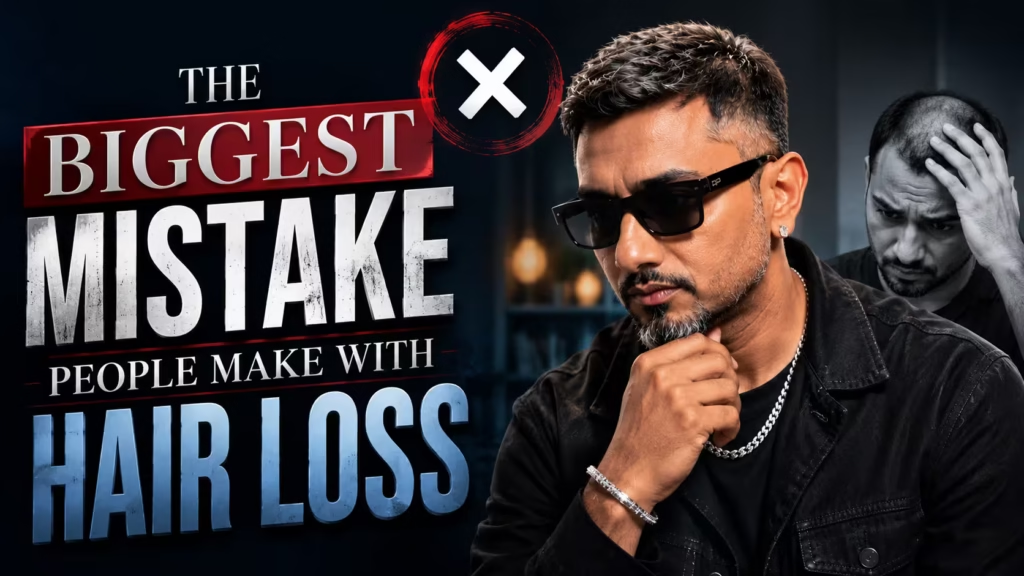
The Biggest Mistake People Make With Hair Loss
Honey Singh’s story highlights a common problem faced by many people.
Most individuals notice hair fall but keep postponing treatment.
- “I’ll focus on my career first.”
- “I’ll start treatment after earning more money.”
- “I’ll do something about it later.”
Unfortunately, hair loss does not wait.
Hair follicles continue to weaken every day. Once a follicle becomes permanently damaged, restoring natural hair becomes much more challenging. In advanced stages, even options like medication may no longer be effective.
Why Early Hair Loss Treatment Matters
The earlier hair loss is addressed, the better the chances of preserving existing hair.
Modern hair restoration treatments can help:
- Slow down hair loss progression
- Strengthen weak hair follicles
- Improve hair density
- Delay or prevent severe baldness
- Maintain a natural appearance
This is why hair specialists always recommend seeking professional advice at the first signs of hair thinning.
Considering a Hair Transplant in Ludhiana?
For individuals experiencing advanced hair loss, a Hair Transplant in Ludhiana can be an effective solution when performed by experienced professionals.
The success of a hair transplant depends on several factors:
- Proper diagnosis
- Donor area quality
- Surgical expertise
- Post-operative care
- Realistic treatment planning
Choosing the right clinic and surgeon is critical for achieving natural-looking and long-lasting results.
How to Find the Best Hair Surgeon in Punjab
If you’re considering hair restoration, selecting the Best Hair Surgeon in Punjab should be your top priority.
Look for:
- Extensive experience in hair transplantation
- Proven patient results
- Advanced FUE and FUT techniques
- Personalized treatment plans
- Ethical consultation practices
- Comprehensive aftercare support
A skilled surgeon focuses not only on restoring hair but also on preserving existing follicles and ensuring natural hairline design.
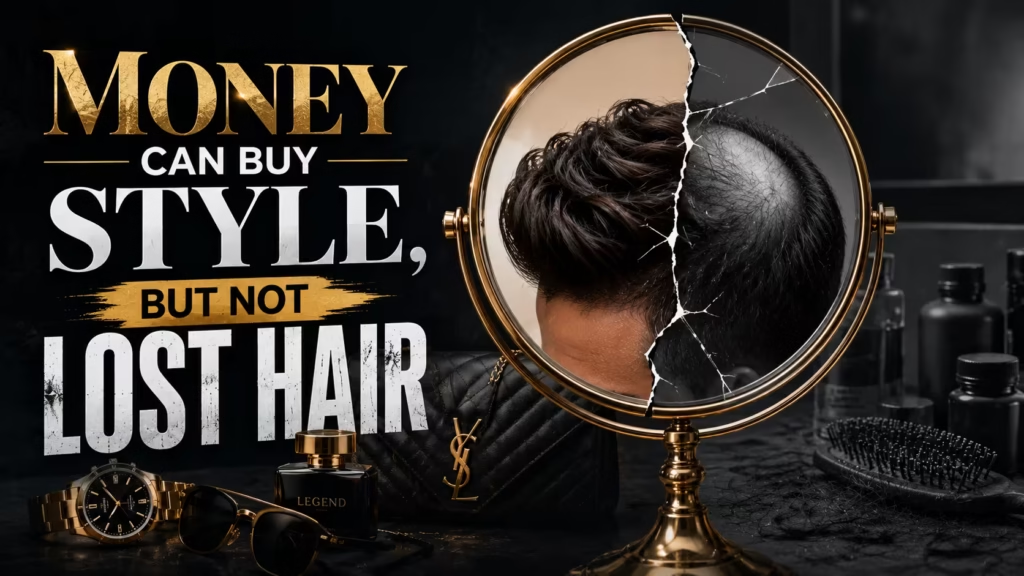
Money Can Buy Style, But Not Lost Hair
One powerful lesson from Honey Singh’s story is that success and wealth do not stop biological hair loss.
You can buy luxury cars, expensive clothes, and premium lifestyles, but you cannot reverse years of neglected hair loss overnight. Hair follicles do not wait for promotions, salary increases, or perfect timing. The sooner you take action, the more treatment options remain available.
Final Thoughts
Yo Yo Honey Singh deserves appreciation for speaking openly about his struggles with baldness and mental health. His story is not just about hair loss—it is about accepting reality and encouraging others to act before it’s too late.
If you are noticing excessive hair fall, a receding hairline, or thinning hair, don’t wait for the problem to become severe. Consult a qualified hair restoration specialist, explore your options, and take control of your hair health today.
Whether you’re considering preventive treatments or a Hair Transplant, early intervention can make all the difference. Your future hair depends on the decisions you make today.