
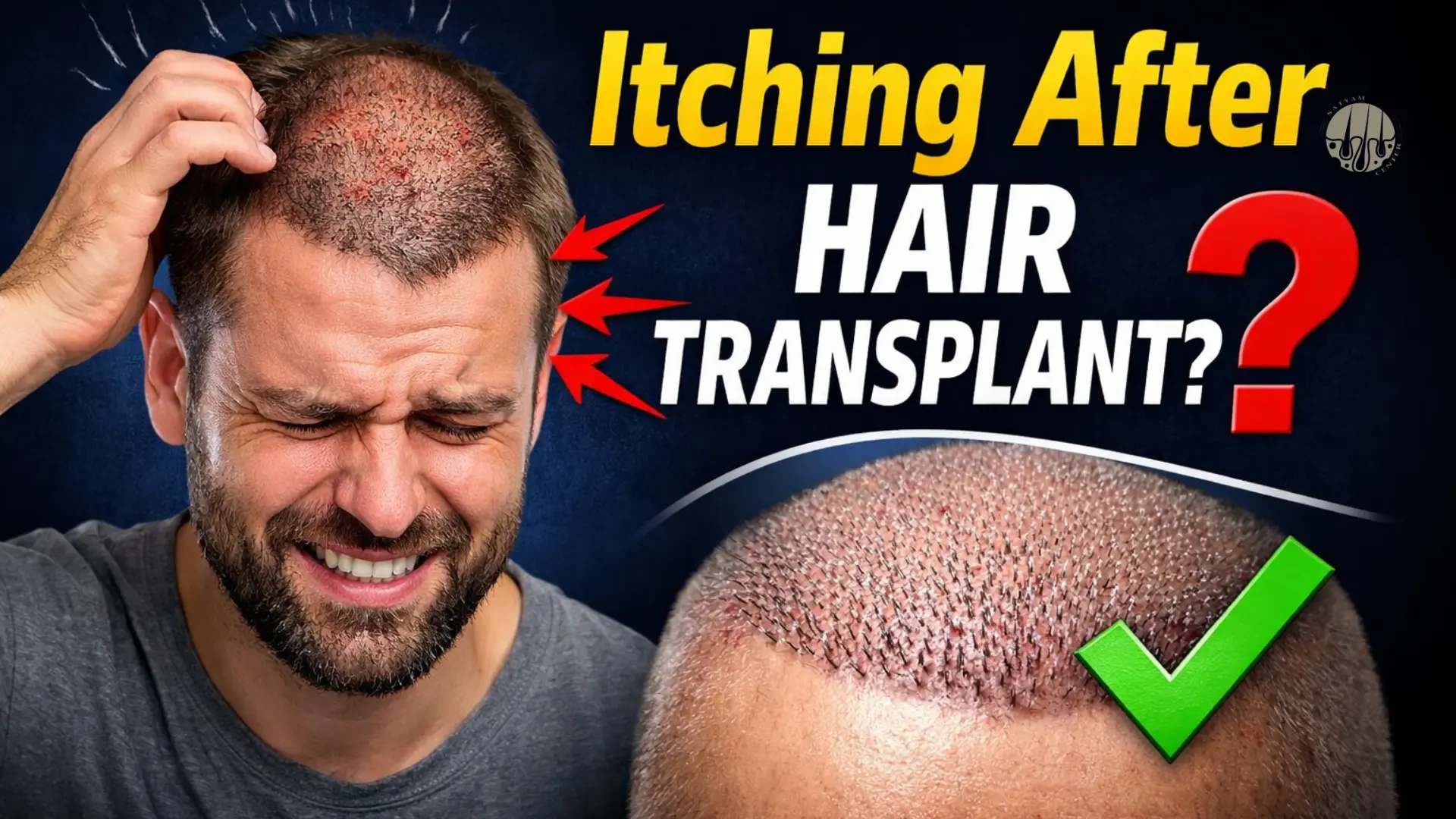
Struggling with itching after a hair transplant? After a hair transplant, itching is frequent. It can happen as soon as two weeks following surgery and affects both the contributor and recipient sites. Although benign and usually self-resolving, the ailment can nonetheless be painful. In this Blog, we’ll look at the symptoms and suggest some remedies.
Before we begin, hair transplants are procedures that can help those who have lost hair due to stress, age, or genetics. A hair transplant in Ludhiana is a great option for those who want to get rid of their baldness.
The procedure is not as painful as it sounds and the results are long-lasting.
Now, let’s start with the article.
Why does it happen?
Following the surgery, the wound on the scalp shrinks inward and gets smaller as the red blood cells finish their tasks and aid in healing. The skin cells pull together and close the wound when the skin holes heal. As a result of this process, the nerves are activated, which causes a signal to be sent to the neurological system, resulting in itching. The scalp releases chemicals (histamines) as part of this healing process, which induces itchiness and the urge to scratch. Therefore, itchiness is actually an indication that your scalp is recovering from the hair transplant procedure.
How to relieve this itch?
1. First and foremost, don’t urge it to itch.
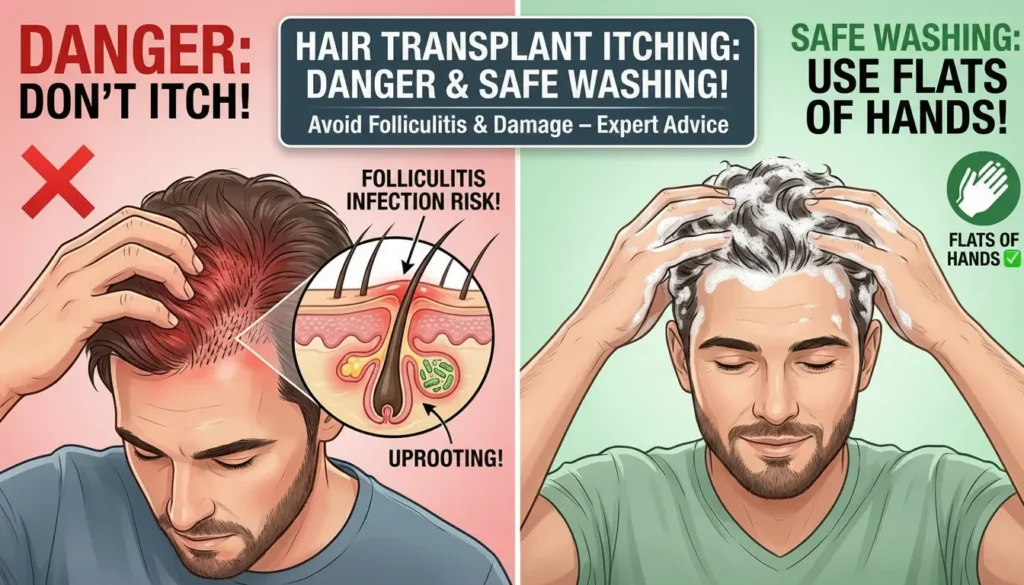
Itching can result in more harm to your newly implanted hair. With the risk of uprooting them, you can also risk an infection known as folliculitis (hair follicle infection). So make sure you don’t delve in with the thought of easing the discomfort and start itching. Even for washing only use the flats of your hands when doing so.
2. Using histamine drugs.
In a few cases, the patients report a great deal of itching. Clinicians may recommend antihistamines if your scalp is particularly itchy because scratching the region can harm your hair transplant. As we said before, the itching is due to the histamine secretion in the hair follicles. It’s advisable to speak with your hair loss consultant if you’re thinking about taking any other medications, regardless of whether they seem to be related to the hair transplant process or not. They can inform you if the new drug is likely to have an impact on the outcome of your hair transplant.
3. Use specified shampoo.
A few people may continue to itch two weeks after getting a hair transplant. They should keep up with the anti-histamine therapy described above. A shampoo containing ketoconazole can be used for added comfort. This shampoo contains medication and also lessens itching. If you believe you might need a stronger version of this shampoo, talk to your Hair Transplant surgeon because it is only available with a prescription. For 2-4 weeks, shampooing your head twice a week should help stop the itching.
Final words:
We know that this itch can really be a nuisance for someone suffering. But we are certain that the above few tips can really help you with it. Hair transplant costs in Punjab can be worth it when you think about the benefits you are getting.
Frequently Asked Questions (FAQs)
Yes. Hair loss can strongly impact self-esteem, confidence, and emotional well-being. Many individuals experience anxiety, stress, social withdrawal, or low self-confidence due to thinning hair or baldness, especially when it affects their appearance at a young age.
In many cases, yes. By restoring hair and improving appearance, a hair transplant often leads to increased self-confidence, reduced anxiety, and a more positive self-image. Many patients report feeling more comfortable in social and professional situations after the procedure.
Modern hair transplant procedures are safe, minimally invasive, and performed under expert supervision. Knowing that the treatment is effective and long-lasting often provides emotional relief and peace of mind to patients who have struggled with hair loss for years.
If hair loss is causing ongoing emotional distress, reduced confidence, or affecting daily life—and medical treatments are no longer effective—a professional consultation can help determine whether a hair transplant is the right solution.